Jelly Roll Morton: Did He Really Invent Jazz?
The Man Who Claimed to Invent Jazz
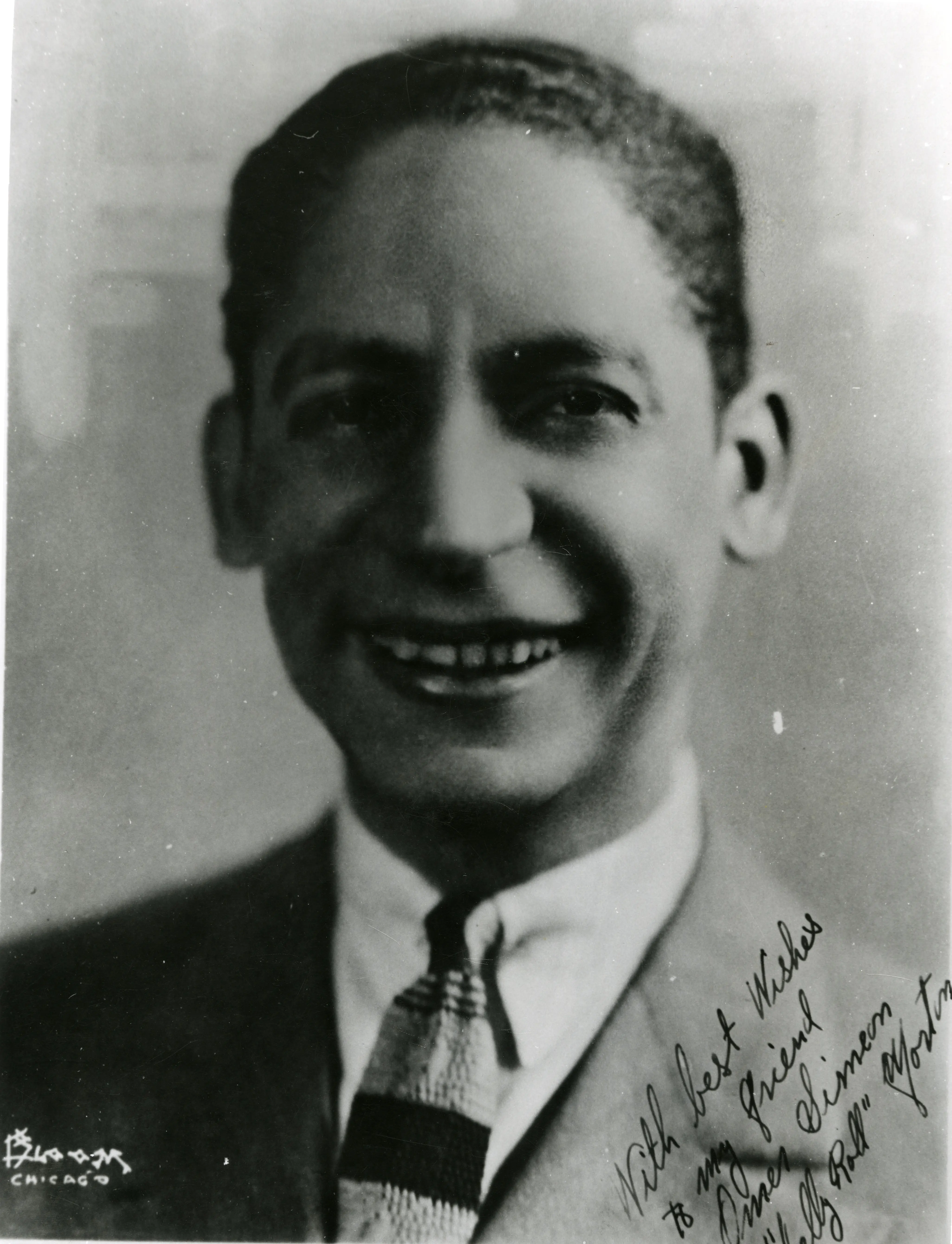
Jelly Roll Morton was one of the most extraordinary characters in early jazz and he made one of the most extraordinary claims. The New Orleans pianist, composer and bandleader repeatedly declared that he had invented jazz, sometimes stating that he had done so as early as 1902.
At first, the claim sounds almost absurd: jazz emerged from a vast mixture of African American musical traditions, blues, ragtime, spirituals, marching bands and the unique musical culture of New Orleans. No single musician can reasonably be called its inventor. Yet Morton was not simply a man boasting about his achievements. He was an exceptional musician who understood something crucial about the new music: improvisation could be organized, composed and written down without destroying its character.
His Jelly Roll Blues, published in 1915, became one of the earliest published jazz compositions. Other early pieces, including Frog-I-More Rag and Grandpa's Spells, reveal the mixture of ragtime, blues and syncopated piano traditions from which his music emerged. Morton could move effortlessly between delicate ragtime ideas and harder-driving blues language, and that ability would become one of the defining features of his style. To understand why Morton believed he deserved such a title, it is necessary to look at the world that produced him—and at the music he left behind.
From Storyville to the World
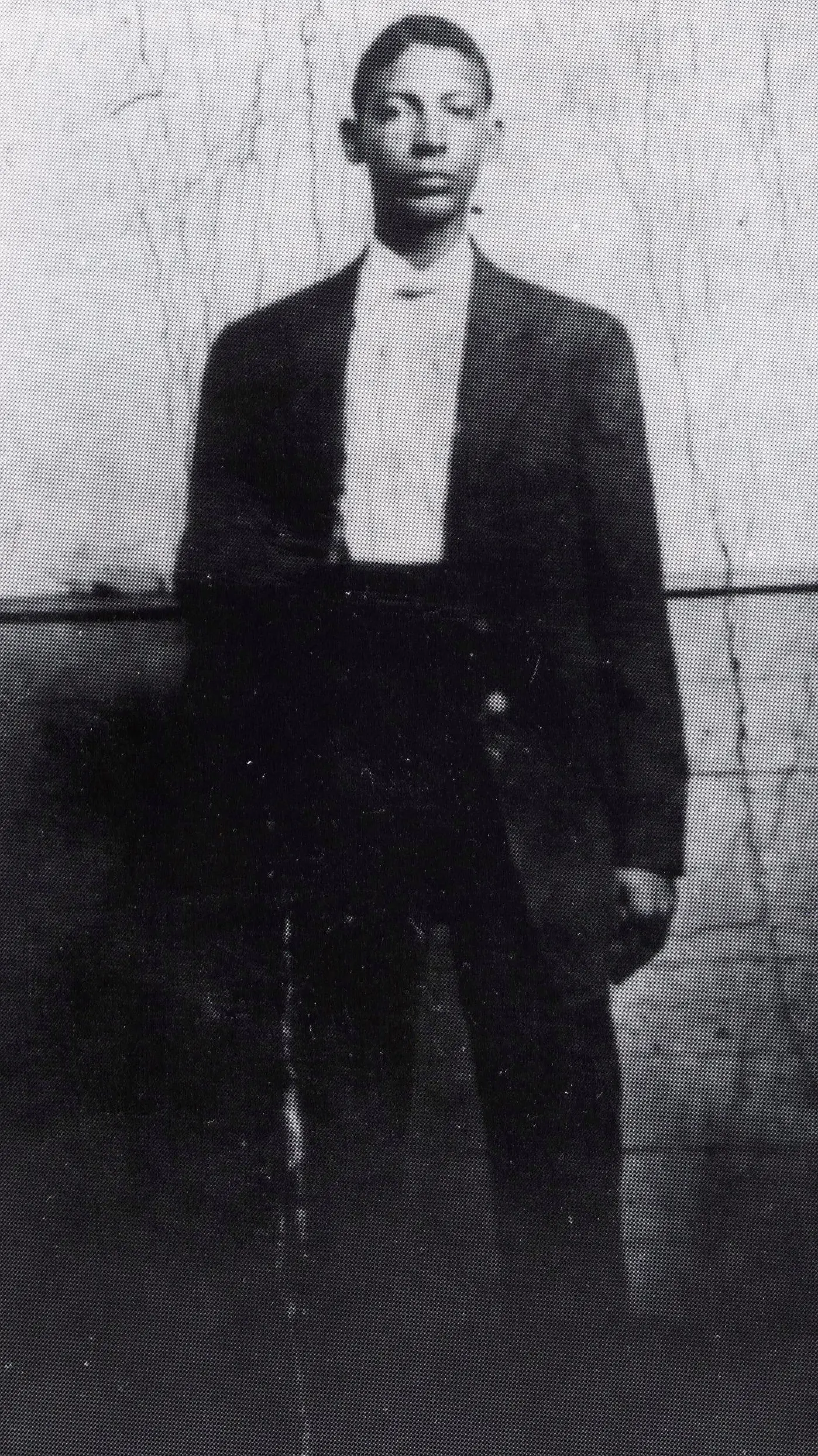
Morton was born into New Orleans' Creole community, although the precise year of his birth remains uncertain. As a teenager, he began playing piano in the brothels of Storyville, hiding this work from his churchgoing great-grandmother until she discovered what he was doing and disowned him.
The experience exposed him to an extraordinary musical environment where ragtime, blues, popular songs, dance music and the developing New Orleans style existed side by side. Morton later travelled extensively through the American South, performing in minstrel shows, gambling and composing, before working as a vaudeville performer with Rosa Brown. During these years he developed the musical vocabulary that would define his career, combining ragtime and blues with stride-like piano playing, walking bass lines, intricate harmonies and highly syncopated rhythms.
His compositions from this world often carry the atmosphere of the places and people around him. Dead Man Blues turns the blues into something theatrical and darkly humorous, while Don't You Leave Me Here reflects the vocal and blues traditions that were central to early New Orleans music. Sidewalk Blues and Steamboat Stomp likewise show how Morton could take everyday images, rhythms and characters and turn them into distinctive instrumental pieces.
Among the most important compositions associated with this period was King Porter Stomp, a piece that would eventually become one of the foundations of the swing era. Wolverine Blues also became an important part of his legacy. By 1915, when Jelly Roll Blues was published, Morton was already demonstrating that jazz could exist not only as an improvised performance but also as a recognizable composition that could be preserved on paper.
The Red Hot Peppers and the Sound of Early Jazz
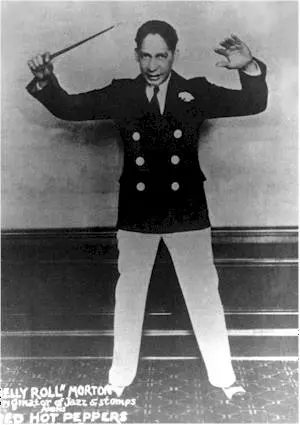
Morton's importance becomes especially clear in his recordings. After moving between New Orleans, California, Chicago and other cities, he established himself in Chicago and signed with Victor in 1926. His Red Hot Peppers recordings brought together some of the finest New Orleans musicians of the period and produced performances that remain essential documents of early jazz.
Black Bottom Stomp is a perfect example of Morton's approach: the music is carefully constructed, moving between ensemble passages, breaks, rhythmic figures and contrasting sections while retaining the feeling of spontaneous performance. Chicago Breakdown shows another side of his piano language, while Kansas City Stomp demonstrates his ability to build a driving, memorable composition around a strong rhythmic idea.
Morton's blues compositions could be equally distinctive. London Blues and Shreveport Stomp show the breadth of his repertoire and his ability to turn regional references and blues vocabulary into highly individual pieces. Tom Cat Blues and The Pearls add yet more evidence of his remarkable range as a composer, moving between blues, ragtime and the increasingly sophisticated ensemble sound of the 1920s.
Morton was particularly skilled at combining a strong melodic idea with sophisticated harmony and rhythmic movement, creating arrangements in which every musician had a role while still leaving room for improvisation. His influence reached far beyond his own recordings. In 1935, Fletcher Henderson arranged King Porter Stomp for Benny Goodman, and the piece became one of the major early hits of the swing era. Morton himself received no royalties from that success, but the transformation of his earlier composition into a swing standard proved how durable his musical ideas were.
So, Did Jelly Roll Morton Really Invent Jazz?
The honest answer is no—but the story is much more interesting than a simple yes or no. Jazz was created collectively, through generations of musicians and communities, and there is no convincing evidence that one person suddenly invented it. Morton also had a reputation for exaggerating his own achievements, and some of his claims about other musicians and compositions have been disputed.
But rejecting Morton's claim does not diminish his importance. His compositions and recordings provide remarkable evidence of how sophisticated early jazz had already become, and his ability to turn improvisational ideas into structured compositions was genuinely groundbreaking. His music ranges from the ragtime character of Frog-I-More Rag to the blues of Jelly Roll Blues, the theatrical character of Black Bottom Stomp and the driving stomp style of Steamboat Stomp.
Morton's later recordings and interviews for the Library of Congress, made with Alan Lomax in 1938, also preserved an invaluable first-hand account of the world from which this music emerged. His repertoire continued to document the breadth of his musical imagination, from Wolverine Blues and Dead Man Blues to The Chant and The Pearls.
Morton may not have invented jazz, but he helped define its vocabulary, showed how it could be arranged and preserved, and left behind music that still challenges musicians more than a century later. Perhaps that is the real reason his claim has survived: not because he invented jazz alone, but because he was one of the people who understood extraordinarily early where jazz was going.