George Gershwin: The Composer Who Bridged Jazz and Classical Music
Who Was George Gershwin?
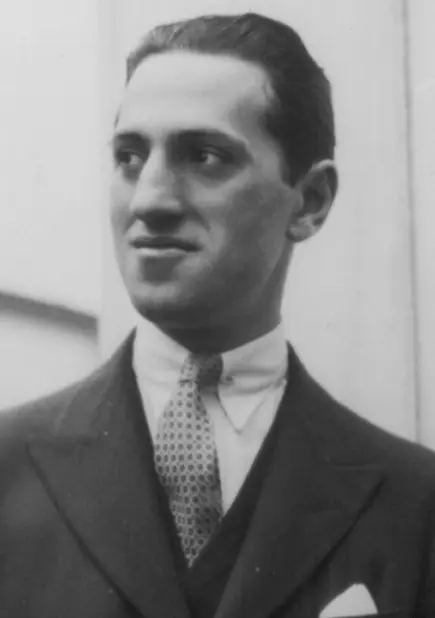
George Gershwin was an American composer and pianist whose music refused to fit into a single category. Born Jacob Gershwin in Brooklyn, New York, in 1898 to Jewish immigrants from the Russian Empire, he grew up surrounded by the Yiddish theaters and busy tenements of the city. He studied piano with Charles Hambitzer and composition with Rubin Goldmark, and by the age of fifteen he had left school to work as a song plugger on Tin Pan Alley, the heart of the American music publishing industry.
That apprenticeship gave him an extraordinary command of popular song, and he soon began writing for Broadway. One of his first great successes was Swanee, which the star Al Jolson heard at a party and turned into a national hit. What set Gershwin apart was his ambition: he wanted to write popular music that could stand beside the European classics, and classical music that carried the energy of jazz and the streets of New York.
Over a career of barely two decades he produced songs, musicals, concert works and an opera that reshaped what American music could be. Right from the beginning, a song such as Swanee revealed the melodic gift and rhythmic vitality that would define everything he wrote.
From Tin Pan Alley to Broadway
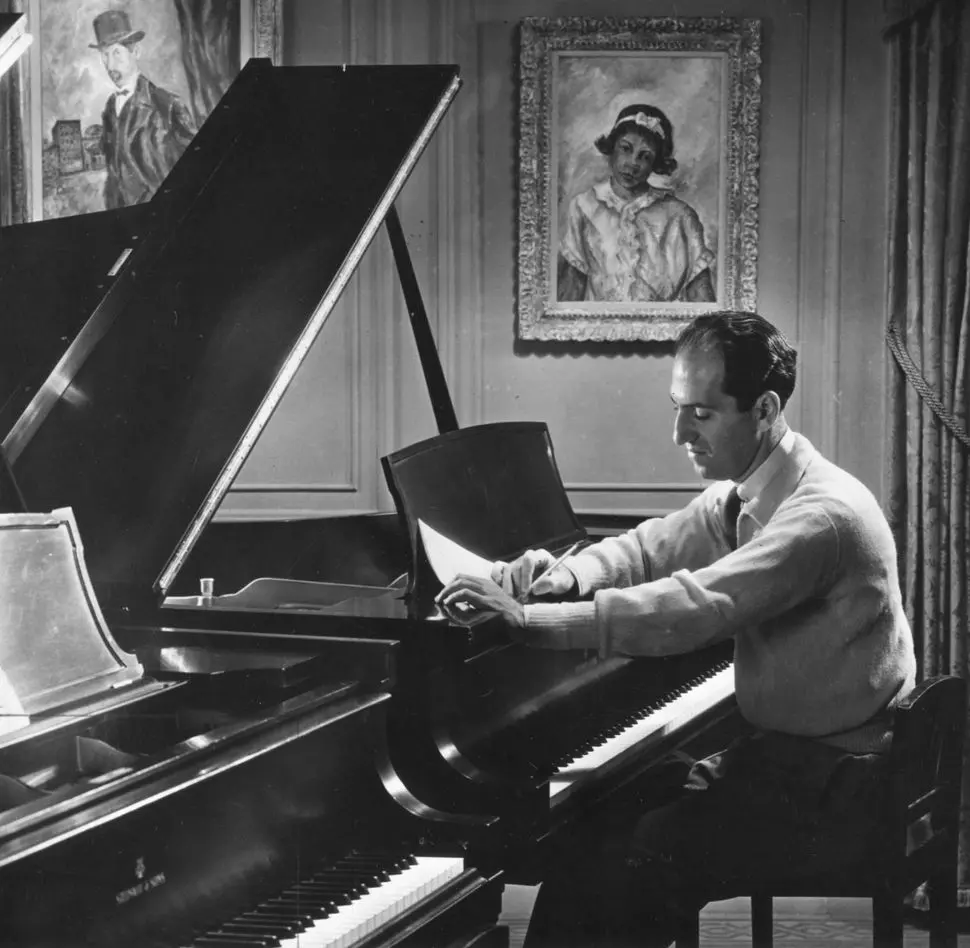
Through the 1920s Gershwin worked steadily in the world of Broadway musicals, frequently collaborating with his brother, the lyricist Ira Gershwin. Together they wrote a string of shows whose songs became standards, including Lady Be Good (1924), Oh, Kay! (1926), Funny Face (1927) and Strike Up the Band (1927 and 1930). Songs such as Fascinating Rhythm, Strike Up the Band, S' Wonderful, How Long Has This Been Going On and The Man I Love brought a new sophistication to popular songwriting, pairing unexpected harmonies with melodies that sound effortless but are carefully crafted.
Gershwin's talents were never limited to the theater. He wrote for dance bands, revues, films and concert halls, and his songs entered the repertoire of jazz musicians almost as soon as they appeared. The relaxed swing of S' Wonderful, the wistful questioning of How Long Has This Been Going On and the yearning melodic arc of The Man I Love made them ideal vehicles for improvisation, and they remain favourites of jazz singers and instrumentalists today.
By the end of the decade Gershwin had become one of the most admired songwriters in America, and his melodies were being played by orchestras and dance bands on both sides of the Atlantic.
Rhapsody in Blue and the Jazz-Classical Revolution
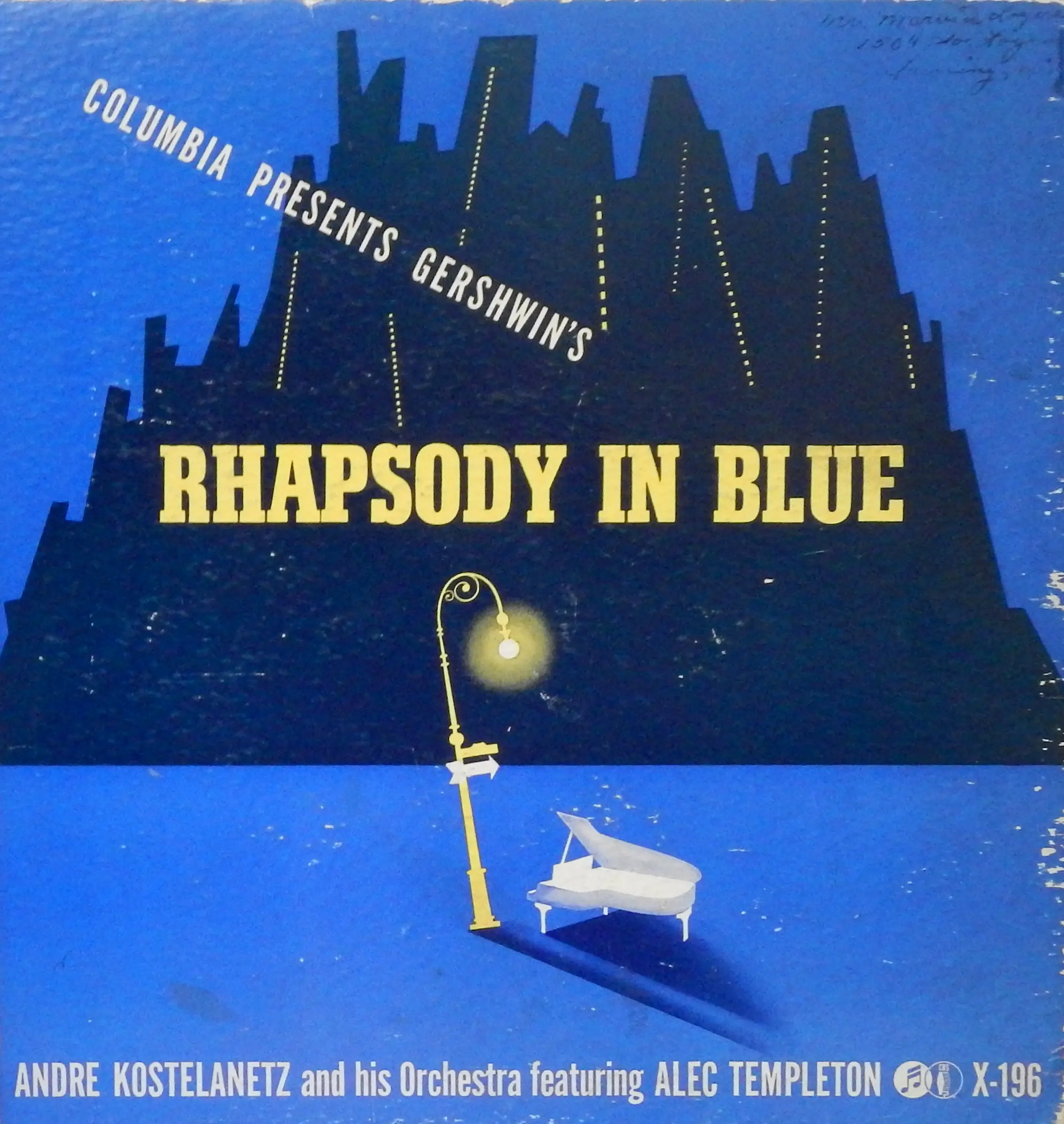
In 1924 Gershwin composed the work that established his reputation as a serious composer: Rhapsody in Blue, for piano and orchestra. Orchestrated by Ferde Grofe and premiered by Paul Whiteman's band, it fused blues, jazz and classical forms into a single continuous piece and became his most popular composition. Its opening glissando is one of the most recognisable passages in American music.
Gershwin followed it with the Piano Concerto in F (1925) and the tone poem An American in Paris (1928), written during a stay in Paris. He hoped to study with the celebrated teacher Nadia Boulanger, but she, like Maurice Ravel, declined, fearing that rigorous classical training might damage his instinctive, jazz-influenced style. He wrote An American in Paris instead, a work full of street sounds and the bustle of the city that quickly entered the standard repertoire.
His concert works did nothing to diminish his gift for song. In the same years he wrote Somebody Loves Me and Someone to Watch Over Me, melodies of deceptive simplicity that have been interpreted by generations of jazz artists. Gershwin proved that popular and classical music could speak to one another, and his example changed the course of American composition.
Porgy and Bess and the Great American Songbook
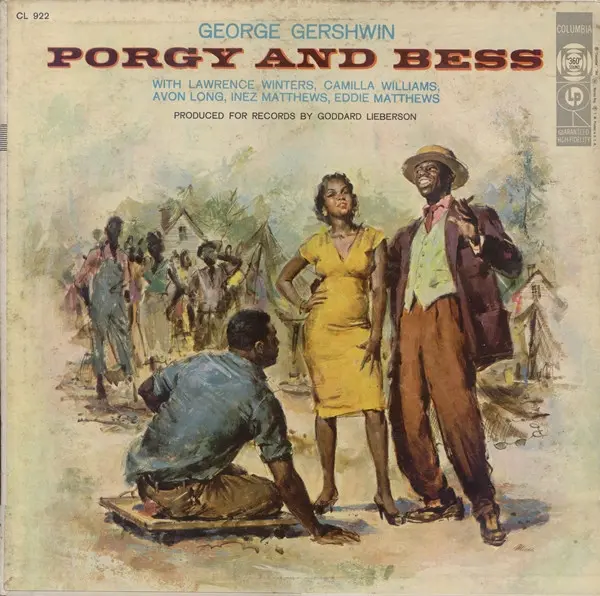
In 1935 Gershwin's opera Porgy and Bess opened on Broadway. Written with Ira Gershwin and DuBose Heyward, whose novel supplied the story, it was set among the African American community of Catfish Row in Charleston, South Carolina. The opera blended spirituals, blues, jazz and operatic writing into something entirely new, and its arias, including Summertime, I Got Plenty o' Nuttin' and Bess, You Is My Woman Now, became standards in their own right. At first some critics were unsure what to make of it, but Porgy and Bess is now regarded as one of the most important American operas of the twentieth century.
Gershwin's songs from this period show both his melodic warmth and his harmonic daring. In the musical Strike Up the Band the gentle ballad Soon stands out as a perfect miniature, intimate and graceful, rewarding both careful listening and improvisation. Together with his earlier hits, songs such as Soon, Someone to Watch Over Me and The Man I Love form the heart of what is often called the Great American Songbook, a body of music that jazz musicians have returned to again and again.
Illness, Hollywood and a Lasting Legacy
In 1936 Gershwin moved to Hollywood, where he composed the scores for films including Shall We Dance (1937), starring Fred Astaire and Ginger Rogers, and A Damsel in Distress. The songs he wrote there, among them They Can't Take That Away from Me, Let's Call the Whole Thing Off, Nice Work If You Can Get It and A Foggy Day, rank among his finest.
Early in 1937, however, he began to suffer from severe headaches and other troubling symptoms. On 9 July 1937 he collapsed while working, and he died on 11 July at the age of thirty-eight after surgery for a brain tumour. His death cut short one of the most remarkable careers in American music.
Gershwin's legacy is immense. His songs have been recorded thousands of times and his concert works are played by orchestras around the world, while his melodies remain essential material for jazz musicians everywhere. Whether you come to him through Swanee, The Man I Love, Someone to Watch Over Me or the opening bars of Rhapsody in Blue, George Gershwin's music still bridges the worlds of jazz, popular song and classical music more than eighty years after his death.